
You’re not imagining it. That crushing fatigue that no amount of sleep can fix. The complete loss of interest in things that used to excite you. The way your body just doesn’t feel like yours anymore. The frustration of being dismissed by doctors who say “your levels are normal” when you know something isn’t right. You might need low testosterone therapy!
If you’ve found this article, you’ve probably already spent hours on Reddit, Quora, and medical forums trying to understand what’s happening to you. You’ve read stories from other people who feel exactly like you do. You’ve wondered if you’re depressed, if you’re just getting old, or if there’s something actually wrong that can be fixed.
Here’s what we want you to know right away: You’re not crazy. You’re not weak. And you don’t have to feel this way.
At Peak Performance Wellness & Aesthetics in Johnson City, we specialize in helping people—both men AND women—who are struggling with low testosterone. We’ve helped hundreds of patients in the Tri-Cities area who came to us with the exact same story: “My doctor said I’m fine, but I don’t feel fine.” As a specialized hormone clinic in Johnson City, we understand that optimal hormone health goes beyond “normal” lab ranges.
What You’ll Learn in This Guide
Whether you’re a man in your 30s wondering if you’re too young for testosterone issues, or a woman whose doctor dismissed your symptoms as “just part of the aging process,” this comprehensive guide answers the real questions you’re asking:
- Why “normal” lab results don’t mean you should feel terrible – and what optimal actually looks like
- The real experiences of hormone optimization for men and women dealing with low testosterone (not just clinical symptoms)
- Treatment options explained honestly – injections, pellets, and topical treatments with real timelines
- For women specifically: Why testosterone matters for female health and how treatment is different
- Fertility concerns addressed – what you need to know before starting therapy
- What results actually look like – realistic timelines from patients who’ve been through it
- Cost breakdown and insurance coverage – no surprises, just honest information
- How to get started – the exact steps from consultation to feeling better
This isn’t medical jargon or sales copy. This is the straight talk you’ve been looking for.
Real Questions About Low Testosterone—Answered for Men & Women
After reviewing thousands of posts on Reddit forums like r/Testosterone and r/TRT, plus real questions from Quora, we know what you’re actually worried about:
For Men:
- “I’m only 28/32/35—am I too young to have low testosterone?”
- “My doctor said 350 is ‘normal’ but I feel terrible. What gives?”
- “How long until I actually feel better with testosterone replacement therapy (TRT)? I can’t keep living like this.”
- “Will TRT kill my fertility? I want kids someday.”
- “I don’t want to feel like I’m on ‘steroids’—is this safe?”
- “I’m tired of being told to ‘just exercise more’ when I can barely get off the couch.”
- “Are these really symptoms of low T, or is something else wrong?”
For Women:
- “Do women even have testosterone? My doctor acted like I was crazy for asking.”
- “I have zero sex drive and I’m only 42. Is this just menopause or a hormone imbalance?”
- “I’m exhausted all the time, gaining weight no matter what I do, and can’t think straight.”
- “Will testosterone therapy make me look or sound masculine?”
- “I’m struggling with depression and anxiety—could hormones be the cause?”
- “Where can I find a hormone doctor near me who actually understands women’s testosterone?”
Every single one of these questions is valid. And we have answers.
The Real Story: What Low Testosterone Actually Feels Like
Forget the clinical descriptions for a minute. Here’s what our patients in Johnson City actually tell us:
“I Just Don’t Feel Like Myself Anymore”
This is the #1 thing we hear. You wake up exhausted even after sleeping 8 hours. You look at your gym membership or your favorite hobby and feel… nothing. Your partner wants intimacy and you’d rather just go to sleep. You used to be motivated, driven, energetic—now you’re just going through the motions.
“Everyone Keeps Telling Me I’m ‘Fine'”
Your primary care doctor ran blood work and said, “Your testosterone is at 320. That’s technically normal.” But “normal” on lab values doesn’t mean YOU feel normal. “NORMAL” is not always “OPTIMAL.”
Why You Can Still Have Symptoms
- Your Personal Baseline: Your body has its own “set point.” If your natural, healthy level for a hormone is at the top of the range, and you drop to the bottom of the range, the lab will still call you “normal”—but your body feels a massive deficiency.
- The “Gray Zone”: There is a wide gap between “perfect health” and “diagnosable disease.” Symptoms usually start in this gray zone, long before a lab value finally crosses the line into the “abnormal” red zone.
- Ratios Matter: Sometimes two numbers (like your Estrogen and Testosterone) are both “normal,” but because they are out of balance with each other, you feel symptomatic.
How “Normal” Ranges are Created
- The 95% Rule: Labs take a group of a number of “healthy” people and plot their results on a curve. They then chop off the top 2.5% and the bottom 2.5%. The remaining middle 95% becomes the “normal range.”
- The “Sick” Average: Often, the people being tested to create these ranges are patients already at the doctor or lab. This means “normal” is actually just an average of the population, which may include people with undiagnosed issues or low-level symptoms.
- One Size Fits All: These ranges rarely account for your specific age, lifestyle, or where you personally feel your best. They are designed to catch major disease, not to measure peak wellness.
To explain this more simply, you can compare a “normal lab range” to the “average shoe size” of a large city. Just because a shoe is an average size doesn’t mean it fits your foot.
“I Thought This Was Just Getting Older”
Sure, testosterone naturally declines with age. But here’s the thing: just because something is common doesn’t mean it’s optimal. You don’t have to accept feeling like garbage as “part of aging.” With treatment men in their 50s and 60s can feel better than they did in their 30s.
“I’m Tired of Not Being Heard”
This one hits especially hard for women. For decades, female hormonal health has been overlooked by traditional medicine. If you’re a woman dealing with low testosterone symptoms, you’ve probably been told it’s “just stress,” offered antidepressants, or told your symptoms are “normal for your age.” That’s not good enough, and you deserve better care.
If any of this sounds familiar, we can help. Call 423-212-3703 or book online—let’s have a real conversation about what you’re experiencing.
Understanding Low Testosterone in BOTH Men and Women
Let’s break this down in a way that actually makes sense.
Testosterone in Men
Testosterone is responsible for:
- Energy levels and motivation
- Muscle mass and strength
- Bone density
- Sex drive and erectile function
- Mental clarity and focus
- Mood regulation
- Fat distribution
When levels drop (even if they’re “technically normal”), you can experience these common symptoms of low T:
- Persistent fatigue that sleep doesn’t fix
- Difficulty building or maintaining muscle despite working out
- Increased body fat, especially around the midsection
- Reduced or absent sex drive
- Erectile dysfunction
- Brain fog and difficulty concentrating
- Irritability, anxiety, or depression
- Feeling unmotivated and lacking drive
Age Range We’re Seeing: Increasingly, men in their 20s and 30s are experiencing low testosterone due to stress, poor sleep, obesity, environmental factors, and modern lifestyle challenges. You’re NOT too young to need treatment. Learn more about our comprehensive men’s health services.
Testosterone in Women (Yes, Really!)
Here’s what many women don’t know: Before menopause, women produce three times as much testosterone as estrogen. Testosterone isn’t just a “male hormone”—it’s crucial for female health too.
Testosterone in women is responsible for:
- Sex drive and sexual satisfaction
- Energy and motivation
- Muscle mass and strength
- Bone density
- Mood regulation and mental health
- Cognitive function and mental clarity
- Overall sense of wellbeing
When levels drop, women experience:
- Complete loss of libido (hypoactive sexual desire disorder)
- Crushing fatigue and low energy
- Difficulty concentrating and brain fog
- Mood changes, depression, or anxiety
- Muscle weakness and loss of tone
- Weight gain, especially around the middle
- Thinning hair and dry skin
- Loss of confidence and motivation
Common Causes in Women:
- Natural aging (levels peak in your 30s, then decline)
- Menopause or perimenopause
- Ovary removal (oophorectomy)
- Birth control pills (can increase SHBG, lowering available testosterone)
- Adrenal or pituitary gland issues
- Certain medications
The Treatment Gap for Women: Currently, there are NO FDA-approved testosterone therapies specifically for women. However, that doesn’t mean we can’t help you. We use carefully dosed, monitored treatments that have been used successfully for decades to help women reclaim their energy, vitality, and quality of life.
Why “Normal” Lab Results Don’t Tell the Whole Story
This is probably the most frustrating part of dealing with low testosterone. Let’s address it head-on.
The Problem with “Normal Ranges”
For Men: The “normal” testosterone range is typically 300-1000 ng/dL. That’s a HUGE range. A man at 320 and a man at 850 are both “normal,” but they’re going to feel completely different. Many men don’t feel optimal until they’re at least in the 600-800 range; sometimes higher.
For Women: There’s even less clarity. Normal testosterone in women ranges from about 15-70 ng/dL, with significant variation based on age and other factors. Plus, most testing focuses on total testosterone when free testosterone (the form your body can actually use) is often more important.
What We Do Differently at Peak Performance
We don’t just look at the numbers. We focus on the patient. Our comprehensive evaluation includes:
Comprehensive Testing:
- Total testosterone
- Free testosterone (what’s actually available to your body)
- Sex hormone binding globulin (SHBG)
- Estradiol (estrogen levels—important for both men and women)
- LH and FSH (tells us if the problem is your testes/ovaries or pituitary)
- Complete metabolic panel
- Complete blood count
- Lipid panel
- Thyroid function (other hormone imbalances can mimic low testosterone)
- Vitamin D levels
Symptom Assessment: We spend time actually listening to how you feel—not just looking at lab numbers. Your symptoms matter just as much as your test results.
Root Cause Investigation: We look for underlying issues like sleep apnea, stress, nutritional deficiencies, or metabolic problems that might be contributing to low testosterone.
The Takeaway: A lab report is a road map, but you are the terrain. If the map says there’s no hole in the road but you’re currently standing in one, we trust your experience over the map.
What Treatment Actually Looks Like (And What Results You Can Expect from TRT)
Let’s get real about what to expect if you decide to move forward with testosterone therapy.
For Men: Treatment Options
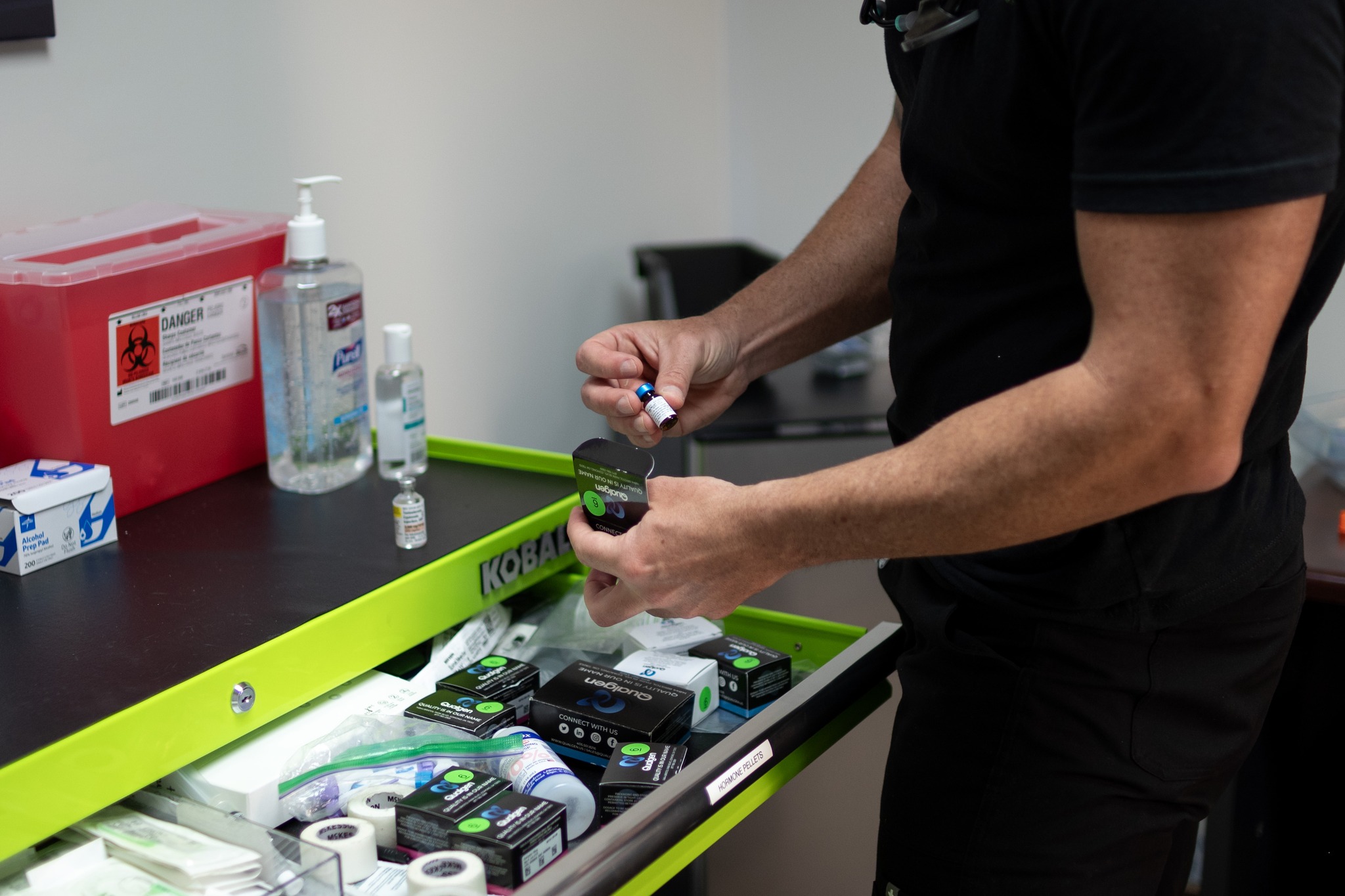
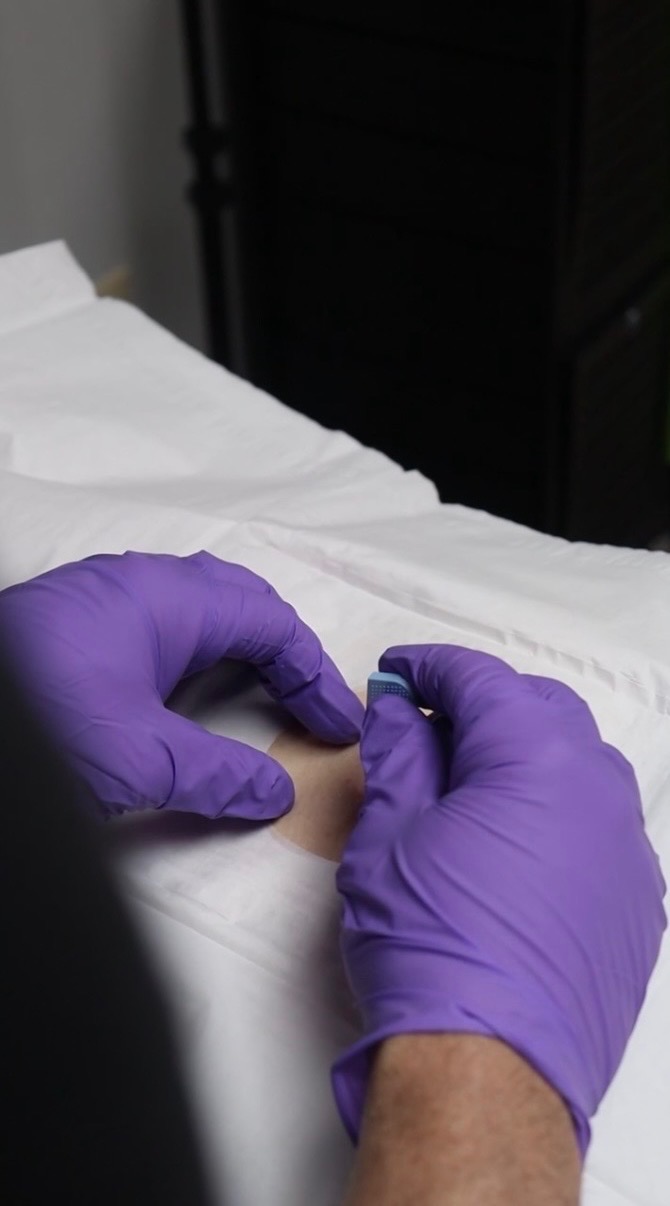
- Small pellets inserted under the skin every 3-6 months
- Provides steady, consistent hormone levels
- Pros: Most consistent delivery, only need treatment 2-4 times per year
- Cons: Requires minor in-office procedure
- What patients say: “I love not having to think about it. I just feel consistently good all the time.”
2. Testosterone Injections
- Most cost-effective
- Administered weekly in the office with take home options available
- Pros: Predictable, affordable, flexible dosing
- Cons: Some men experience “highs and lows” energy fluctuations between doses.
- What patients say: “It’s become part of my routine, like taking vitamins. The difference in how I feel is worth it.”
3. Topical Testosterone (Gels/Creams)
- Applied daily to skin
- Pros: Non-invasive, steady levels
- Cons: Risk of transfer to partners/children, can be expensive, daily application required, and inconsistent absorption
- What patients say: “Works well but I have to be really careful around my kids.”
For Women: Specialized Treatment
Because women need much lower doses than men (typically about 1/10th the dose), treatment requires specialized knowledge and careful monitoring. We work with:
- Low-dose testosterone pellets
- Compounded creams or gels
- Carefully dosed injections
- Regular monitoring to ensure optimal levels without side effects
Addressing Your Concerns:
- “Will I look masculine?” NO. Properly dosed testosterone therapy for women does NOT cause masculine features. We use doses that restore you to healthy female levels, not male levels.
- “What about side effects?” We monitor closely for any signs of excess (acne, facial hair, voice changes) and adjust immediately if needed. Most women have zero side effects at proper doses.
The Timeline: When Will You Actually Feel Better?
Based on hundreds of patient experiences in Johnson City, here’s the realistic timeline:
Weeks 1-2:
- Initial improvements in sleep quality
- Beginning to feel more “awake” in the morning
- Some mood improvement
Weeks 3-4:
- Noticeable energy increase
- Improved libido and sexual function begins
- Better mental clarity and focus
- Mood feels more stable
Weeks 6-8:
- Significant improvements in all symptoms
- Motivation and drive returning
- Beginning to see body composition changes
- Workouts feel more effective
3-6 Months:
- Muscle mass increases (with exercise)
- Fat reduction, especially around midsection
- Sexual function significantly improved
- Consistent energy throughout the day
- Mental fog completely cleared
What patients tell us: “I didn’t realize how bad I felt until I started feeling good again. I have my life back.”
The Questions You’re Nervous to Ask (But We Want You To)
“Will I have to do this forever?”
For most people with age-related testosterone decline, yes, therapy is ongoing. Think of it like glasses—if your body doesn’t produce enough testosterone naturally, supplementation helps you function optimally. However, if lifestyle factors are contributing (severe obesity, sleep apnea, chronic stress), addressing those might allow some people to reduce or discontinue therapy.
“Is this safe long-term?”
When properly prescribed and monitored by qualified medical professionals, testosterone therapy is considered safe for long-term use. We monitor your blood work regularly (typically every 3-6 months) to watch for any potential issues and adjust treatment as needed.
“What about fertility?”
For Men: Testosterone therapy can reduce sperm production. If you’re planning to have children soon, we can discuss alternatives like hCG therapy or Clomid that can raise testosterone while preserving fertility. Many men successfully father children while on or after TRT, but it’s an important conversation to have upfront.
For Women: The effects on fertility are less clear, but if you’re of childbearing age and planning pregnancy, we’ll discuss this carefully as part of your treatment plan.
“How much does this cost?”
We believe cost should never prevent someone from feeling their best. Treatment costs vary:
- Injections: Typically $125 per month and less for women (most affordable)
- Pellet therapy: Higher upfront cost, but only needed 3-4 times per year
We’ll work with you to find an option that fits your budget and lifestyle.
“What if my partner/doctor/family thinks I’m crazy?”
This is a real concern, and we hear it often. Here’s our advice:
- You know your body better than anyone else
- You deserve to feel your best
- Medical science supports testosterone therapy for people experiencing symptoms
- Bring your partner or family member to an appointment—we’re happy to educate them
Many patients tell us their loved ones become their biggest supporters once they see the dramatic improvement in energy, mood, and quality of life.
Why Peak Performance Is Different
You’ve probably noticed there’s no shortage of “Low T Clinics” and hormone therapy options. Here’s what makes us different:
We Actually Listen
Your 15-minute doctor visit days are over. We spend real time understanding your symptoms, your goals, and your concerns. We believe you when you say something’s wrong, even if your labs are “technically normal.”
Comprehensive, Not Cookie-Cutter
We don’t just prescribe testosterone and send you on your way. We look at your complete health picture—sleep, nutrition, stress, exercise, other hormone imbalances. Our hormone optimization approach means we address root causes, not just symptoms. We also offer complementary treatments that work synergistically with testosterone therapy, including NAD+ injections for enhanced cellular energy and recovery, and peptide therapy such as CJC-1295 and Ipamorelin for muscle recovery, cognitive function, and overall wellness optimization.
Specialized Knowledge
Our team has extensive experience with hormone optimization for both men and women. We understand the nuances of female testosterone therapy, which many providers don’t. We stay current with the latest research and protocols.
Local and Accessible
We’re right here on Bristol Highway in Johnson City, convenient for patients throughout the Tri-Cities area including Bristol, Kingsport, Boones Creek, and surrounding communities. We offer flexible scheduling Monday through Friday, with extended hours on Thursday.
Real Ongoing Support
Testosterone therapy requires monitoring and adjustment. We don’t just prescribe and disappear—we’re with you throughout your journey, adjusting your protocol as needed to ensure you’re getting optimal results safely.
Beyond Testosterone: Complete Men’s Health & Wellness
While low testosterone is often the root cause of many symptoms men experience, we understand that optimal health requires a comprehensive approach. At Peak Performance, testosterone therapy is just one part of your complete wellness strategy.
Integrated Health Solutions
Weight Management & Metabolic Health
Low testosterone and weight gain create a vicious cycle—excess body fat lowers testosterone, which makes it harder to lose weight and build muscle. Our medical weight loss programs work synergistically with testosterone therapy to break this cycle. We offer physician-supervised programs including Semaglutide and Tirzepatide that, when combined with hormone optimization, produce transformative results.
Sexual Health & Performance
While testosterone therapy often improves erectile function naturally, some men benefit from additional support. We address the complete picture of men’s sexual health, understanding that issues like ED often have multiple contributing factors including hormonal, cardiovascular, and metabolic components.
Cardiovascular & Metabolic Monitoring
Testosterone therapy requires careful monitoring of cardiovascular health. We track lipid panels, blood pressure, and metabolic markers to ensure your treatment supports—not compromises—your heart health. Many men find their cardiovascular risk factors actually improve with proper testosterone optimization.
Sleep & Recovery Optimization
Poor sleep crushes testosterone production, and low testosterone disrupts sleep quality. We help you break this cycle through comprehensive sleep assessment, addressing sleep apnea when present, and optimizing recovery. Our NAD+ injections can further enhance cellular energy and recovery.
Nutritional & Lifestyle Support
We don’t just prescribe hormones—we educate. You’ll receive guidance on nutrition strategies that support hormone production, exercise protocols that maximize your results, and stress management techniques that protect your testosterone levels. Our IV hydration therapy can help optimize micronutrient levels that are crucial for hormone synthesis.
Why This Comprehensive Approach Matters
Men who address only one aspect of their health—whether it’s just testosterone, just weight loss, or just fitness—often struggle to see lasting results. When you optimize testosterone while simultaneously addressing weight, sleep, stress, nutrition, and cardiovascular health, the results are dramatically better and more sustainable.
This is why we see men in their 50s and 60s who feel and perform better than they did in their 30s—they’re not just treating low testosterone, they’re optimizing their complete health.
Bioidentical Hormone Therapy: A Natural Approach
At Peak Performance, we prioritize bioidentical hormones whenever possible. Unlike synthetic hormones, bioidentical hormones are molecularly identical to what your body produces naturally, which typically means better absorption and fewer side effects.
Our hormone pellet therapy uses bioidentical testosterone derived from natural plant sources. This approach mimics your body’s natural hormone release patterns, providing steady levels throughout the day rather than the peaks and valleys of some synthetic options.
Whether you’re interested in testosterone injections, pellet therapy, or other delivery methods, we’ll discuss the bioidentical options available and help you choose the approach that aligns with your health philosophy and treatment goals.
Planning to explore bioidentical hormone therapy in more depth? We’ll be releasing a comprehensive guide to bioidentical hormone options and how they compare to synthetic alternatives.
What Our Patients Are Saying
Don’t just take our word for it. Here’s what real patients from Johnson City and the Tri-Cities area have experienced:
Pike House Coffee
“Peak Performance has brought me a life changing experience! I’m 56 and was feeling very old and tired. My wonderful lash tech, Matty, suggested I talk to Eddie about pellet hormone therapy. Within 2-3 days, I had so much more energy, my moods and attitude drastically transformed for the better, and I just felt YOUNGER! I’m not exaggerating when I say that I feel 20 years younger! I’ve even had friends and family notice and comment that I look like I feel better and that I’m GLOWING! My only regret is not doing this sooner. Eddie was extremely professional and answered all of my questions and I will definitely be continuing this treatment!”
Zach Odom
“Amazing experience! Eddie made me feel comfortable right away and the entire process was very smooth. Eddie is clearly very knowledgeable and was more than happy to thoughtfully answer all the questions I had as first time visitor. I can’t wait to reach my PEAK with the help of this great business!!”
Ashlee Ebberts
“Eddie has been such a great help to me and my health journey!!! Def thankful I found this place and bonus it’s non judgmental & makes me feel welcomed and he listens to my concerns and gets me in the right direction for a healthier me!! You won’t be disappointed in visiting!”
Interested in the pellet therapy option Pike House Coffee mentioned? Learn more about hormone pellet therapy in Johnson City and why it’s become one of our most popular treatment options.
Your Next Steps: Let’s Get You Feeling Better
If you’ve read this far, you’re probably ready to do something about how you’re feeling. Here’s exactly what happens next:
Step 1: Schedule Your Comprehensive Consultation
Call us at 423-212-3703 or book online. During your first visit, we’ll:
- Discuss your symptoms in detail
- Review your medical history
- Talk about your goals and concerns
- Answer all your questions
- Order comprehensive blood work
What to bring:
- List of current medications
- Any previous lab results you have
- Questions you want answered
- Your partner or support person (if you’d like)
Step 2: Comprehensive Testing
We’ll order blood work to check:
- Multiple testosterone markers
- Other hormones that affect how you feel
- Metabolic health
- Overall wellness markers
Testing logistics:
- Blood draw scheduled in the morning (testosterone is highest then)
- Most insurance covers diagnostic testing
- Results typically ready within a week
Step 3: Results Review & Treatment Plan
We’ll schedule a follow-up to:
- Review your complete results
- Explain what the numbers actually mean
- Discuss treatment options that fit YOUR situation
- Create a personalized plan
- Answer any remaining questions
Step 4: Begin Your Treatment
Start your treatment with:
- Clear instructions and support
- Direct access to our team
- Regular monitoring
- Adjustments as needed
Step 5: Follow-Up & Optimization
We’ll see you regularly to:
- Monitor your progress
- Check your blood work
- Adjust your protocol
- Ensure you’re getting optimal results safely
Common Questions About Getting Started
“Do I need a referral?”
No! You can call us directly to schedule.
“What if I’m not sure I have low testosterone?”
That’s what the consultation is for. We’ll help you figure out if low testosterone is the issue or if something else is going on.
“I’m nervous about coming in.”
We get it. Many of our patients felt the same way. Our team is professional, judgment-free, and genuinely here to help. You’ll leave your first appointment feeling heard and with a clear path forward.
“Can my partner come with me?”
Absolutely! We encourage it. Many patients bring their spouse or partner to help remember information and ask additional questions.
“What if I don’t want treatment?”
That’s completely fine. Even if you decide not to pursue treatment, you’ll leave with valuable information about your health and what might be causing your symptoms.
The Bottom Line: You Deserve to Feel Good
Here’s what we want you to take away from this article:
- Your symptoms are real. You’re not imagining them, exaggerating them, or being weak.
- “Normal” lab results don’t mean you should feel terrible. Optimal health is about how you FEEL, not just what’s on a lab chart.
- This affects both men and women. Female low testosterone is real, common, and treatable—don’t let anyone tell you otherwise.
- Treatment works. With proper diagnosis and monitoring, testosterone therapy can be life-changing.
- You have options. From injections to pellets to topical treatments, we’ll find what works for YOUR lifestyle.
- You’re not alone. Hundreds of people in Johnson City and the Tri-Cities area have walked through our doors feeling exactly like you do. They’re now living fuller, more energetic, happier lives.
The question isn’t whether you deserve to feel better. You do.
The question is: are you ready to do something about it?
We’re here when you are.
Contact Peak Performance Wellness & Aesthetics
Location:
Peak Performance Wellness & Aesthetics
3980 Bristol Hwy
Johnson City, TN 37601
Phone:
423-212-3703 (Click to call)
Hours:
Monday – Wednesday: 9:00 AM – 5:00 PM
Thursday: 9:00 AM – 6:00 PM
Friday: 9:00 AM – 2:30 PM
Saturday – Sunday: Closed
Serving:
Johnson City, Bristol, Kingsport, Boones Creek, and the entire Tri-Cities area with comprehensive hormone optimization and men’s and women’s health services.
Don’t spend another day feeling like a shadow of yourself. Call 423-212-3703 or book online to schedule your comprehensive hormone evaluation. Let’s figure this out together.
