
You are in the middle of a meeting. Or folding laundry. Or finally drifting off to sleep. Out of nowhere the heat climbs up your chest, into your neck, across your face. Your shirt sticks to your back. Your heart starts to pound. A minute later you are clammy, cold, and wondering what just happened.
If that is your day, or your night, you are not imagining it. And you do not have to keep living this way.
At Peak Performance Wellness & Aesthetics in Johnson City, TN, we help women across the Tri-Cities get real relief from hot flashes and night sweats by finding the hormone imbalance behind them and treating the root cause. Eddie Hughes, FNP-BC, takes the time to listen, runs the right labs, and builds a plan around you. The goal is simple. Fewer flashes, better sleep, and getting you back to the life you want to live.
Maybe you have already asked for help and gotten nowhere. Told it is just stress. Told you are too young. Told to wait it out. That happens to a lot of women.
of women said their provider did not take their menopause symptoms seriously. And only about 1 in 5 OB-GYN residency programs offer formal menopause education, with just 7 percent of residents feeling prepared to manage it.
North American Menopause Society survey; Kling JM et al., Mayo Clinic Proceedings, 2019You can do everything right and still leave an appointment with no answers.
We do this differently. We do not stop at the first guess, and we do not rush you out the door.
Ready to stop guessing?
Sit down with Eddie, get real lab work, and find out what is actually driving your hot flashes.
What a hot flash actually feels like
Most people who have never had one picture a little warmth. Like sitting by a fire. It is not that.
The heat usually starts in your chest and rises fast through your neck and face. Your skin can flush and turn blotchy. Your heart can race. You sweat, sometimes enough to soak through your clothes. Then it lets go and you are left chilled and damp and worn out. The whole thing can last thirty seconds or five minutes.
Women describe it in their own words all the time. A personal furnace that switches on without warning. Peeling off a layer at dinner, putting it back on, peeling it off again. Lying awake at 3 a.m. with the sheets soaked. Some women say the worst part is the anxiety that rides along with it, the racing pulse that makes you feel like something is wrong.
You should not have to plan your life around the next flash. Relief is possible, and it starts with finding the cause.
Why hot flashes happen
Hot flashes are a vasomotor symptom. That means they come from the way your blood vessels respond to temperature.
During perimenopause and menopause, your estrogen levels start to swing and then drop. That shift affects the part of your brain that controls body temperature. Your internal thermostat gets more sensitive. A change of less than a single degree can set off the whole cascade. Your brain decides you are overheating, so your blood vessels open up and you start to sweat to cool down. That is the flash.
So the heat is really a hormone signal. That is good news. It points to where real relief usually comes from.
Hot flashes are not always menopause, though. Thyroid problems can cause them. So can certain medications and a few other conditions. That is one more reason to be evaluated by someone who will actually look into it instead of guessing.
Night sweats and waking up drenched
Night sweats are hot flashes that hit while you sleep. Same hormone shift, same heat, except now it is 2 a.m. and your sheets are soaked. You wake up, kick off the covers, cool down, and try to fall back asleep. Sometimes that happens over and over until the alarm goes off.
The real damage is the lost sleep. Night after night of broken rest wears on your mood, your focus, your patience, and your long-term health. Treating the hormone imbalance behind the flashes usually calms the night sweats too, so you can finally sleep through the night again.
If night sweats are running your nights in Johnson City or anywhere in the Tri-Cities, we can help you get to the bottom of it.
Symptoms that often come with hot flashes
Hot flashes rarely travel alone. When your hormones shift, other symptoms tend to show up at the same time:
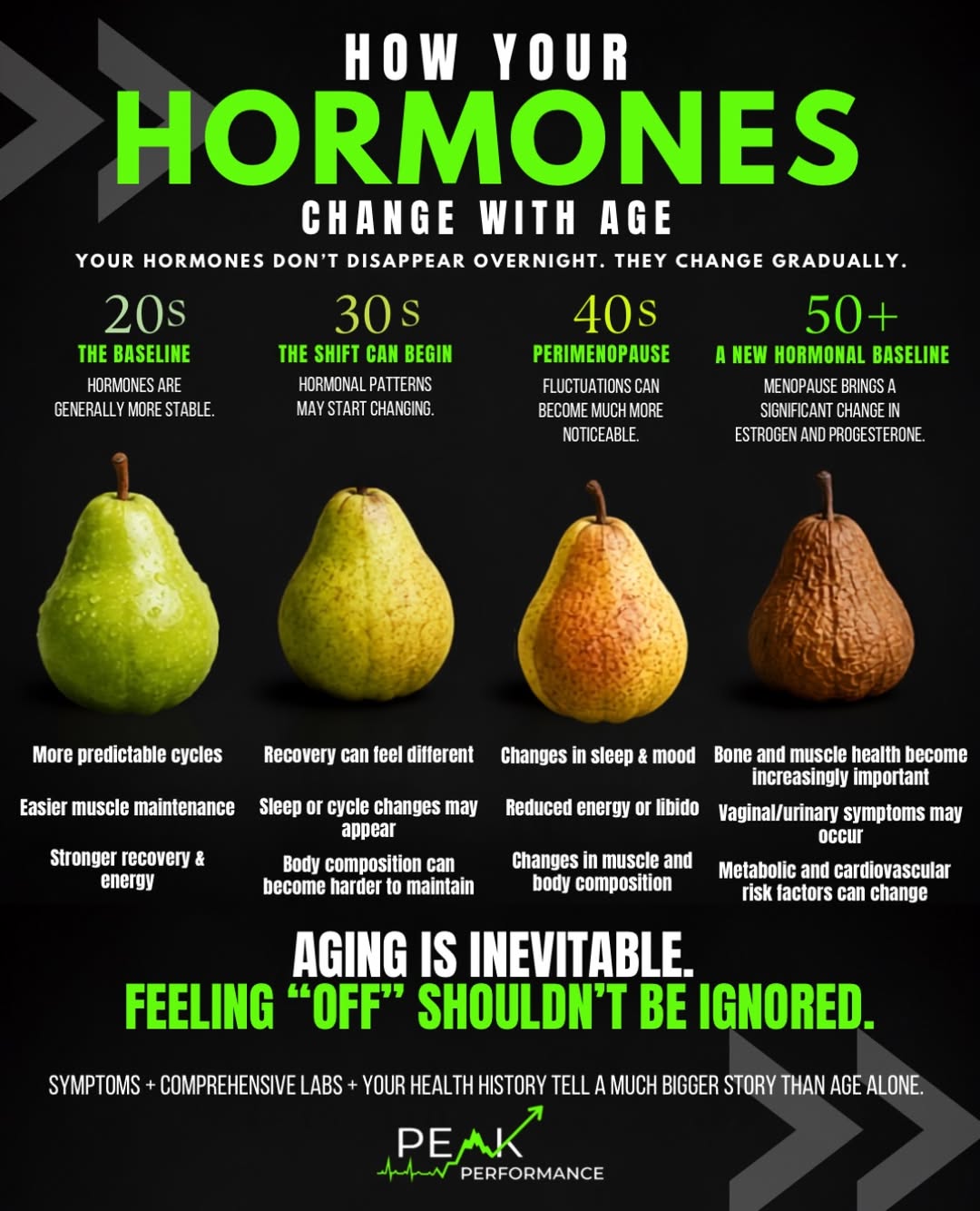
If several of these sound familiar, it usually points to the bigger hormonal picture of perimenopause or menopause. Our perimenopause treatment page goes deeper on that stage, and if brain fog is hitting you hardest, our brain fog treatment page covers that too. When the weight will not budge no matter what you change, that shift around the middle is often hormonal as well, and our medical weight loss program is built to work alongside hormone care. Eddie can sort out what is actually driving your symptoms at your visit.
Is this you?
Check off anything that sounds like the last few months.
- You are peeling off layers during the day, then freezing an hour later
- You wake up damp, or you have started sleeping on a towel
- You are exhausted no matter how early you go to bed
- You snapped at someone recently and it did not feel like you
- The weight is not moving the way it used to
- Somebody already told you this is just part of getting older
If three or more sound familiar, this is worth a conversation, not another year of pushing through.
What can trigger a hot flash
You cannot control the hormone shift behind hot flashes, but a few everyday things can set one off or make it worse. Common triggers women notice:
- Alcohol, especially wine
- Caffeine and hot drinks
- Spicy food
- Warm rooms, hot weather, and heavy bedding
- Stress and anxiety
- Smoking
- Tight or heavy clothing
Dress in layers you can peel off, keep a fan or cold water nearby, and slow your breathing. Some women also try supplements like black cohosh or soy, though the evidence is mixed and results vary.
Avoiding triggers can help, but it does not fix the hormone drop that is driving the flashes in the first place. That is where treatment comes in.
When to get checked sooner
Most hot flashes are a normal part of perimenopause and menopause. A few situations are worth a prompt visit instead of waiting:
- A very fast, pounding, or irregular heartbeat, chest pain, or feeling faint
- Drenching night sweats along with unexplained weight loss or fever
- Hot flashes that start well before your late thirties
- Any vaginal bleeding after you have already gone through menopause
These can have causes other than menopause, and they are worth ruling out. When in doubt, it is always reasonable to get checked.
Why so many women feel unheard, and how we are different
The fast version of care goes like this. Ten minutes. A quick label. Maybe a prescription, maybe a shrug. Out the door before you finish your sentence.
We are not built that way.
Eddie takes the time to listen to your full story. When and how often the flashes happen. What your sleep looks like. What else has changed, because the symptoms above so often share the same hormonal root.
From there, the plan is built around you. Comprehensive lab work to see what your hormones are actually doing. A real conversation about your history, your goals, and your concerns. A plan that fits your life, not a one-size template.
And we stay with it. If the first approach needs adjusting, we adjust it. We keep working with you until the flashes settle and you feel like yourself again. That is the whole point of doing this the right way.
Meet Eddie
A quick look at how we approach hormone care at our Johnson City clinic.
How we treat hot flashes at Peak Performance
There is no single right answer for every woman. What works depends on your symptoms, your health history, and what you are comfortable with. Eddie will walk you through the options and the trade-offs so you can decide together.
Bioidentical hormone replacement therapy (BHRT)
For many women, restoring hormone balance is the most effective way to calm hot flashes and night sweats. This is consistent with guidance from The Menopause Society and ACOG, which recognize hormone therapy as the most effective treatment for vasomotor symptoms in women who are good candidates. Bioidentical hormones are structurally identical to the ones your body makes. Eddie tailors the type and dose to you, and reviews your personal risk and benefit before anything starts. Learn more about bioidentical hormone replacement therapy in Johnson City.
Hormone pellet therapy
Tiny pellets placed just under the skin release a steady, low dose of hormones over several months. Many women like that there is nothing to remember to take every day. It is a popular option among our women’s hormone patients. See our page on hormone pellet therapy for women.
A full hormone optimization plan
Because hot flashes often come bundled with sleep trouble, mood changes, low energy, and weight gain, we look at the whole picture. Easing the underlying hormone imbalance can bring relief well beyond the heat. Our hormone optimization program covers the full range.
Many women report better sleep, steadier moods, and fewer flashes during the day after starting treatment, though results vary from person to person. That is what we work toward with you.
Which option might fit you?
Four quick questions. No email required.
How often are hot flashes or night sweats hitting you?
How much is it affecting your sleep?
Besides the heat, what else has changed?
What sounds better to you day to day?
This is a starting point for conversation, not a diagnosis or a treatment recommendation. Eddie determines candidacy after an evaluation and lab work.
Is hormone therapy right for you?
Hormone therapy helps a lot of women, but it is not for everyone. Women with a history of breast cancer, blood clots, stroke, or certain other conditions may not be candidates, and Eddie reviews your personal and family history before recommending anything. There are also FDA-approved nonhormonal options for hot flashes, and Eddie can talk through whether one of those is a better fit. Either way, you get a real evaluation and an honest recommendation instead of a one-size prescription.
What to expect at your first visit
-
A real conversation
Not a rushed five minutes. Eddie starts by reviewing your symptoms, your history, and your goals.
-
Comprehensive lab work
Often looking at estrogen, progesterone, testosterone, thyroid, and other markers, so your plan is based on what your body is actually doing instead of a guess.
-
A plan built around your results
If hormones make sense for you, Eddie explains the options and the risks. If they do not, he tells you that too.
-
Recheck and adjust
We recheck your labs, ask how you are actually feeling, and fine-tune your dose as needed.
-
Ongoing monitoring
We keep an eye on things over time so your treatment stays right for you. You will always know what is going on and what the next step is.
Let’s find out what is driving your hot flashes
Comprehensive labs, an honest recommendation, and a plan built around your results.
Areas we serve
Our clinic sits on Bristol Highway in Johnson City, in the heart of Washington County, and women travel to us from across the Tri-Cities because this kind of care is hard to find. If you are dealing with hot flashes anywhere in the region, you are welcome here.
- Johnson City
- Bristol
- Kingsport
- Elizabethton
- Gray
- Erwin
- Jonesborough
- Greeneville
- Northeast Tennessee
We also work with ETSU staff and faculty, working professionals, busy moms, and women who are tired of powering through and just want real relief. The drive is worth it when someone finally takes the time to get it right.
Peak Performance Wellness & Aesthetics
3980 Bristol Hwy, Johnson City, TN 37601
Mon, Tue, Wed 9AM to 5PM · Thu 9AM to 6PM · Fri 9AM to 2:30PM
Frequently asked questions
How long do hot flashes last?
A single hot flash usually lasts between thirty seconds and five minutes. The phase of life, though, can last longer than most women expect. Research cited by ACOG shows hot flashes can continue anywhere from four to ten years, and some women have them into their sixties. The good news is you do not have to wait it out without help.
At what age do hot flashes start?
Most women start in their forties, during perimenopause, often before their periods become irregular. Some start in their late thirties. If you are much younger than that and having hot flashes, it is worth getting checked, since other causes like thyroid issues can be behind it.
Can a hormone imbalance cause hot flashes?
Yes. Falling and fluctuating estrogen during perimenopause and menopause is the most common driver. Other hormone issues, like thyroid problems, can cause them too, which is why lab work matters.
Can I have hot flashes if I still have my period?
Yes. Hot flashes often begin during perimenopause, while you are still getting periods. They are one of the earliest signs that your hormones are shifting.
Why do I get hot flashes at night?
Hot flashes that happen during sleep are called night sweats. They are caused by the same hormonal changes, and they can wake you repeatedly and leave you exhausted. Treating the underlying cause often helps both the daytime flashes and the night sweats.
What is the best treatment for hot flashes?
For women who are good candidates, hormone therapy is recognized by The Menopause Society and ACOG as the most effective option. Nonhormonal treatments are available too. The best choice is the one that fits your symptoms, your health history, and your preferences, which is what Eddie helps you sort out.
Can bioidentical hormones help with hot flashes?
For many women, yes. Bioidentical hormone replacement therapy can calm both hot flashes and night sweats by easing the underlying imbalance. Eddie reviews your candidacy and risk first.
Do I have to use hormones to treat hot flashes?
No. Hormone therapy is one of the most effective options for many women, but it is not the only path and it is not right for everyone. Eddie will review your history and talk through what makes sense for you, including FDA-approved nonhormonal options.
When should I see a provider about hot flashes?
Any time they disrupt your sleep, your work, or your daily life, or when you are not sure what is causing them. You do not have to wait until they are unbearable to ask for help.
How soon will I feel better after starting treatment?
It varies. Some women notice fewer or milder flashes within a few weeks, while hormone pellets tend to build over the first month or two. Eddie rechecks your labs and how you are feeling, then fine-tunes from there.
Can a hot flash feel like anxiety or a racing heart?
Yes. A pounding or racing heart and a wave of anxiety often ride along with a hot flash, which is why some women worry something is wrong. If a racing or irregular heartbeat happens on its own, comes often, or comes with chest pain or dizziness, get it checked to be safe.
Do hot flashes happen after a hysterectomy?
They can, especially if your ovaries were removed, which can bring on sudden, intense hot flashes. This is called surgical menopause, and it is very treatable. Eddie can help you find relief.
How much does treatment cost?
It depends on the plan and the lab work involved, since every woman’s care is a little different. We go over the cost clearly at your consultation so there are no surprises.
Do you see patients from Kingsport, Bristol, and the rest of the Tri-Cities?
Yes. Many of our women’s hormone patients drive in from Kingsport, Bristol, Elizabethton, Jonesborough, and across Northeast Tennessee.
Do I have to drive to Knoxville for this kind of care?
No. You can get personalized hormone care for hot flashes right here in Johnson City, without the longer trip.
How do I know if it is a hot flash or something else?
Hot flashes have a recognizable pattern, but thyroid conditions, certain medications, and other issues can mimic them. That is exactly what a proper evaluation and lab work are for. We figure out the cause before we treat it.
I was told this is just part of getting older. Is that true?
Hot flashes are common, but common does not mean you have to suffer through them. There are real treatment options, and you deserve a provider who will explore them with you.
What our patients are saying
Related care at Peak Performance
- Perimenopause treatment in Johnson City
- Menopause and perimenopause weight gain
- Bioidentical hormone replacement therapy (BHRT)
- Hormone pellet therapy for women
- Hormone optimization
- Brain fog treatment
- Medical weight loss
Ready to stop sweating through it?
You have lived with the flashes, the soaked sheets, and the 3 a.m. wake-ups long enough. You do not have to keep pushing through, and you do not have to settle for being rushed out of an exam room.
If you are looking for hot flashes treatment in Johnson City or anywhere across the Tri-Cities, we are ready to help. Let’s find out what is actually going on and build a plan that gets you back to sleeping through the night, thinking clearly, and living your life without bracing for the next wave of heat.
Schedule online or call to talk with Eddie Hughes, FNP-BC.
Sources
- The Menopause Society (formerly the North American Menopause Society): patient education on hot flashes and vasomotor symptoms
- American College of Obstetricians and Gynecologists (ACOG): managing hot flashes
- National Institute on Aging (NIH): hot flashes, what can I do?
- Cleveland Clinic and Mayo Clinic: hot flashes overview
- Kling JM, et al. Menopause Management Knowledge in Postgraduate Family Medicine, Internal Medicine, and Obstetrics and Gynecology Residents. Mayo Clinic Proceedings, 2019
- North American Menopause Society provider and patient surveys on menopause symptom care
This page is for general education and is not a substitute for personalized medical advice. Treatment decisions are made with a qualified provider after an individual evaluation.
