
Struggling to lose weight despite changing your diet, exercising regularly, or trying different programs? At Peak Performance Johnson City, we understand that metabolism, lifestyle, and underlying health concerns can affect your progress. For individuals searching for weight loss Johnson City services, we provide personalized medical care that identifies potential barriers and supports better health.
We begin by understanding your medical history, medications, lifestyle, and goals. We consider appetite, energy, sleep, stress, metabolic health, and hormonal changes to recommend appropriate treatment.
Our services combine science-backed medical options with practical lifestyle support. Your plan may include nutrition guidance, activity recommendations, prescription medications, and ongoing monitoring. Whether you’ve struggled with dieting, experienced unexpected weight gain, or want a proactive approach to wellness, we’ll help you make informed decisions and build sustainable habits.
Personalized Weight Loss Care in Johnson City
Your experience with losing weight is personal, and your treatment should reflect that. People with similar goals can have different medical conditions, eating habits, hormone levels, and treatment responses. We consider your metabolism, hormonal health, energy, and body composition to identify potential barriers and recommend care that supports your overall well-being.
Several factors influence weight management. Metabolism affects energy use, while sleep and stress influence appetite, eating behaviors, and activity. Medications and medical conditions can contribute to weight gain or changes in body composition. Hormonal changes may also play a part, especially alongside fatigue or muscle loss.
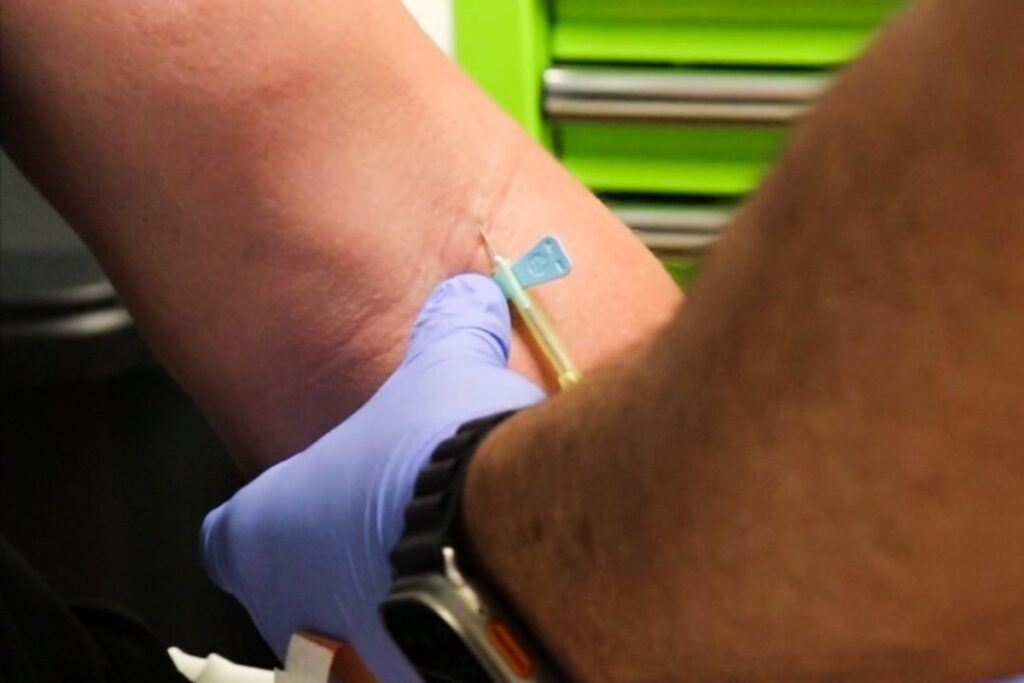
During your assessment, we review symptoms and medical history to identify concerns that may warrant further evaluation. When appropriate, laboratory testing helps us assess metabolic function and hormonal health. These findings inform treatment recommendations and determine whether additional medical evaluation would be beneficial.
Our services may suit adults who have struggled with traditional dieting or want professional support for weight management, energy, and physical health. You may benefit from a consultation if you:
- Have tried multiple diets without maintaining your results.
- Experience persistent weight gain despite lifestyle changes.
- Struggle with appetite, cravings, or feeling satisfied after meals.
- Suspect metabolic or hormonal factors may affect your progress.
- Have health conditions that could benefit from supervised weight reduction.
- Want to discuss prescription treatment options.
- Need accountability and a structured plan that fits your lifestyle.
You don’t need to choose a treatment before contacting us. We’ll review your circumstances, answer questions, and explain appropriate options.
Understanding Hormonal and Metabolic Factors in Weight Loss
Weight management involves several biological processes that affect how your body uses and stores energy. Hormones help regulate appetite, metabolism, blood sugar, and body composition. When these processes change, losing weight or maintaining previous results may become more difficult.
Thyroid hormones influence metabolic activity, and an underactive thyroid may contribute to fatigue and weight gain. Insulin helps regulate blood sugar, while insulin resistance can affect how the body processes glucose and may be associated with changes in weight. Age-related hormonal changes can also influence muscle mass, fat distribution, and energy levels.
However, these factors don’t explain every case of unwanted weight gain. Eating patterns, physical activity, sleep, medications, and existing health conditions may contribute. We consider your symptoms and medical history together rather than assuming that a hormonal imbalance is responsible.
At Peak Performance Johnson City, we assess relevant metabolic and hormonal concerns when developing treatment recommendations. Depending on your symptoms and health history, we may recommend laboratory testing to evaluate thyroid function, blood sugar regulation, or other appropriate markers.
If testing identifies a medical concern, we’ll explain the findings and discuss whether further evaluation or treatment is needed. Hormone therapy is considered only when medically indicated, not as a routine treatment for weight reduction.
Our aim is to understand the factors that may be affecting your progress so we can recommend a suitable approach. By combining medical evaluation with realistic lifestyle changes and appropriate treatment options, we help you make informed decisions about your health.
How Our Medical Weight Loss Program Works
Our program begins with an individual health assessment and develops according to your medical needs, goals, and treatment response. Rather than using a standard diet or medication protocol, we involve you in decisions throughout your care.
At your first appointment, we’ll discuss previous weight loss attempts, medical history, medications, lifestyle, and symptoms. Our initial evaluation includes a body composition scan, and we recommend laboratory testing for most patients to assess metabolic, thyroid, and hormonal markers.
Our founder and board-certified family nurse practitioner, Eddie Hughes, FNP-BC, reviews your findings to determine whether GLP-1 medication, nutrition and activity changes, hormone support, or another approach may be appropriate.
Together, we’ll create a plan that reflects your health, goals, and routine. Recommendations may involve nutrition, physical activity, sleep habits, or prescription medication when appropriate. We explain your options and develop practical strategies that accommodate work, family commitments, and everyday responsibilities.

Throughout treatment, we monitor your response and adjust recommendations as needed. Weight reduction may involve steady progress, slower periods, or plateaus. Follow-up appointments allow us to review body composition scans, medication tolerance, symptoms, laboratory findings, and relevant health indicators.
We also discuss nutrition, activity, and challenges affecting consistency. As you approach your goals, we’ll consider maintenance strategies, appetite management, and whether continued medication is appropriate.
Our aim is to help you maintain progress through manageable habits and treatment decisions that support your changing health needs.
Prescription Treatment Options and Medical Guidance
Prescription medication may help individuals who have difficulty managing their weight through lifestyle changes alone. We consider your medical history, health conditions, current medications, and treatment goals before recommending an option. Eddie Hughes, FNP-BC, evaluates your eligibility and explains potential benefits, risks, and monitoring requirements.
Semaglutide is one option for eligible individuals. This GLP-1 receptor agonist mimics a hormone involved in appetite, digestion, and blood sugar regulation. It may increase fullness, reduce hunger, and make a reduced-calorie eating plan easier to follow.
Before prescribing semaglutide, we review contraindications and possible side effects, including nausea, constipation, diarrhea, and other digestive symptoms. It’s generally administered through a weekly injection, with dosage determined by the prescribed product and your response. We monitor treatment tolerance and adjust recommendations when appropriate.
Tirzepatide is another option. It acts on GIP and GLP-1 hormone pathways involved in appetite and blood sugar regulation. For eligible individuals, it may reduce hunger and increase feelings of fullness, supporting reduced food intake.
Tirzepatide isn’t appropriate for everyone. We review your medical history, medications, and contraindications before prescribing. Potential side effects include nausea, vomiting, diarrhea, constipation, and other digestive symptoms. Serious adverse effects are possible, so we discuss risks, administration, and monitoring before treatment.
We may also consider phentermine for certain adults when clinically appropriate. This appetite-suppressing medication is generally prescribed for short-term use. Its stimulant effects may make it unsuitable for individuals with certain cardiovascular conditions, uncontrolled high blood pressure, or other concerns. We review medications, interactions, and relevant health factors before recommending it.
Our treatment recommendations reflect your medical profile and preferences. Semaglutide and tirzepatide affect different hormone pathways, while other approaches may be preferable depending on your circumstances.
| Treatment Approach | How We Use It to Support Your Goals |
|---|---|
| Nutrition and lifestyle changes | We help you establish manageable eating patterns, physical activity, and daily habits. |
| Semaglutide, when appropriate | We may prescribe semaglutide to act on GLP-1 receptors and help regulate appetite, feelings of fullness, and blood sugar. |
| Tirzepatide, when appropriate | We may prescribe tirzepatide to act on GIP and GLP-1 pathways involved in appetite and blood sugar regulation. |
| Phentermine, when appropriate | We may consider phentermine to temporarily reduce appetite in eligible adults under medical supervision. |
| Medical monitoring | We review progress, treatment tolerance, and relevant health indicators. |
| Hormone evaluation | We investigate symptoms that may warrant further medical assessment. |
| Maintenance planning | We support continued progress and appropriate treatment decisions over time. |
Medication isn’t automatically included in every plan. We discuss benefits, limitations, side effects, and costs before you decide. When prescribed, medication is combined with appropriate nutrition, activity, and follow-up to support long-term progress.
Nutrition, Physical Activity, and Sustainable Habits
Medication can help regulate appetite, but sustainable weight management also depends on daily habits. We recommend realistic changes based on your food preferences, schedule, physical abilities, and health conditions.
Your nutrition plan should fit how you live. We may discuss meal timing, portions, protein intake, hydration, and hunger management. Preparing meals ahead, adjusting portions, or choosing satisfying protein-rich foods may help. Our focus is on changes you can maintain without unnecessary restrictions.
Physical activity supports cardiovascular health, strength, mobility, and weight maintenance. We tailor recommendations to your fitness level and medical history. Walking, increasing daily movement, and resistance training may be appropriate, with strength exercises helping preserve muscle during weight reduction. We account for pain, fatigue, mobility limitations, and scheduling challenges.
Sleep and stress also affect progress. Poor sleep can influence hunger, energy, and food preferences, while stress may alter eating patterns. We consider these factors and recommend strategies suited to your circumstances.
For example, someone who skips daytime meals and overeats at night may need different support from someone experiencing persistent hunger despite regular meals. We help identify patterns, address barriers, and establish practical routines.
Plateaus are another common challenge. When progress slows, we review eating habits, activity, fluid balance, energy needs, and medication response before adjusting your plan. We favor reasonable changes and consistency over increasingly restrictive diets or repeated attempts at rapid weight reduction.
Why Choose Peak Performance Johnson City?
We understand that choosing a weight loss clinic means finding a team that listens and explains your options clearly. At Peak Performance Johnson City, our founder and board-certified family nurse practitioner, Eddie Hughes, FNP-BC, oversees medical weight loss care. He reviews laboratory findings, recommends appropriate treatment, and monitors progress through follow-up appointments.
Our care begins with your health history, symptoms, and goals. We explain recommended testing and medications so you understand their purpose and can participate in treatment decisions. If additional medical evaluation is needed, we’ll discuss that before proceeding.
Choosing a clinic that considers both metabolic health and hormonal concerns may also be part of your decision. If you’re comparing providers, understanding how a weight loss clinic approaches hormone health an help you ask informed questions about assessments, treatment options, and ongoing monitoring.
We prioritize safe prescribing by reviewing existing medications, medical conditions, potential side effects, and monitoring needs. Not everyone qualifies for the same treatment, and we’ll discuss alternatives when appropriate.
Our support continues as your needs change. You’ll work with the same provider throughout treatment, allowing us to review progress, address side effects, and adjust recommendations. We encourage you to discuss challenges with appetite, routines, or medication so we can respond appropriately.

We focus on realistic goals and measurable progress rather than fixed timelines or promises. Your starting point, medical conditions, treatment, and consistency influence your response. Together, we establish milestones relevant to your health.
Body composition scans help us track changes in fat and muscle alongside weight, waist measurements, energy, blood pressure, and laboratory results. These findings inform adjustments and help us evaluate progress beyond the scale.
Our Johnson City services provide individualized medical care, clear explanations, and ongoing support for lasting health improvements.
Frequently Asked Questions About Weight Loss
What Is Medical Weight Loss?
We provide personalized, provider-guided care based on your health history, medical conditions, medications, lifestyle, and goals. Treatment may include nutrition guidance, physical activity, laboratory testing, prescription medications, and ongoing monitoring to support safe weight management.
Who Is a Good Candidate for a Medical Weight Loss Program?
We work with adults experiencing unwanted weight gain, unsuccessful dieting, or difficulty maintaining results. Individuals with appetite changes, metabolic concerns, or weight-related health conditions may also benefit. We’ll evaluate your circumstances to determine suitable options.
How Much Weight Can I Expect to Lose?
Results vary depending on your starting weight, medical conditions, nutrition, activity, treatment, and response. We establish realistic goals and monitor progress rather than promising a specific amount.
Can I Lose 20 Pounds Quickly?
The time required depends on your health, starting weight, and treatment response. Rapid reduction may increase the risk of muscle loss, nutritional problems, or other complications. We’ll discuss an appropriate pace for your circumstances.
Do I Need Prescription Medication to Participate?
No. We may recommend lifestyle changes and regular appointments without medication. Prescription options are considered only after assessing your eligibility, health needs, and preferences.
Is Tirzepatide Appropriate for Everyone?
No. We review medical history, current medications, contraindications, and potential side effects before recommending tirzepatide. We’ll explain whether it’s suitable for you.
Can Hormone Changes Affect My Weight?
Hormonal changes can influence appetite, metabolism, energy, and body composition. Thyroid disorders and other endocrine conditions may contribute to weight changes. We assess relevant symptoms and recommend testing when appropriate. Hormone therapy is considered only when medically indicated.
What Is the Most Successful Weight Loss Program?
No single program works best for everyone. We consider your health, preferences, medical needs, and ability to maintain changes. Your plan may involve lifestyle support, prescription medication, or both.
What Is the 3-3-3 Rule for Losing Weight?
The 3-3-3 term describes several diet and fitness routines, but no single medically established version exists. We assess dietary and activity recommendations according to your individual health needs rather than relying on numbered rules.
How Often Will I Need Follow-Up Appointments?
We personalize appointment frequency according to treatment and medical needs. Medication may require more frequent early monitoring, with visits adjusted as your progress stabilizes.
How Much Do Weight Loss Services Cost in Johnson City?
Most of our medical weight loss patients pay between $200 and $500 monthly, depending on medication and dosage. Semaglutide starts at $200 per month. Our program includes medication, follow-up visits, nutrition guidance, and body composition monitoring.
Laboratory testing is priced separately. We’ll explain costs during your consultation, with no long-term contracts, cancellation fees, or upfront treatment packages required.
Does Insurance Cover Medical Weight Loss?
We operate as a self-pay clinic. Insurance may cover certain brand-name prescriptions depending on your plan, diagnosis, and pharmacy benefits.
Contact your insurer to confirm medication coverage and prior authorization requirements. We’ll explain our program costs before treatment.
Start Your Health Goals with Peak Performance Johnson City
If previous diets haven’t produced lasting results, we’re ready to help identify possible contributing factors and develop an appropriate plan. At Peak Performance Johnson City, we provide individualized medical weight loss care for adults throughout Johnson City and surrounding Tri-Cities communities.
During your consultation, we’ll review your health history, concerns, and goals. We’ll discuss whether laboratory testing, prescription medication, nutrition changes, or other services may be appropriate. You can ask about costs, appointments, treatment options, and realistic expectations.
Schedule Your Weight Loss Consultation
Take an active role in improving your health with personalized care from our team at Peak Performance Johnson City. Contact us to schedule your consultation and develop a science-backed treatment plan that supports measurable progress and lasting wellness.
